Alexandria in antiquity, the hub for science and culture
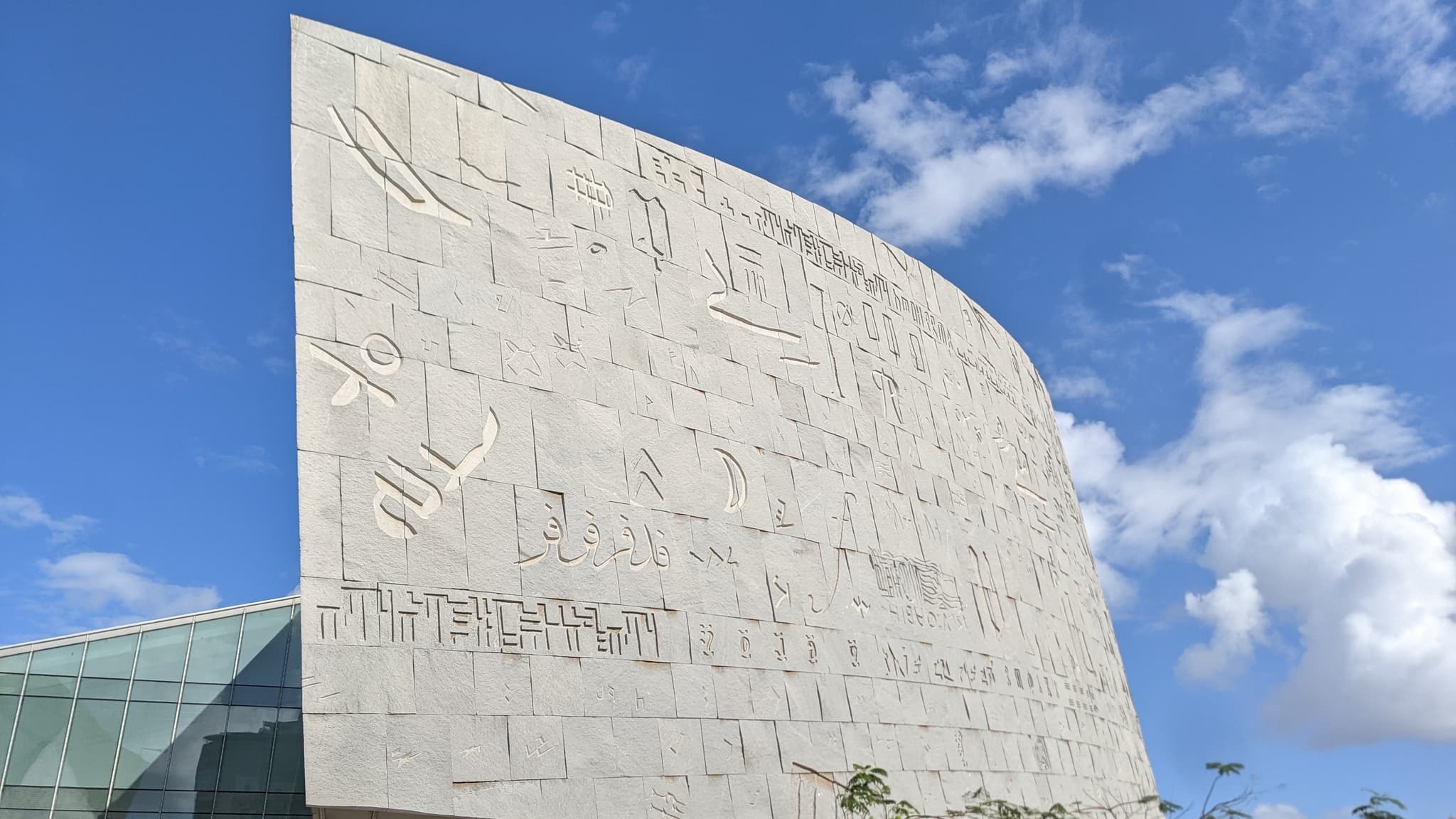
Heading north to the former capital of knowledge, once home to one of the largest and most significant libraries of the world. The Library of Alexandria
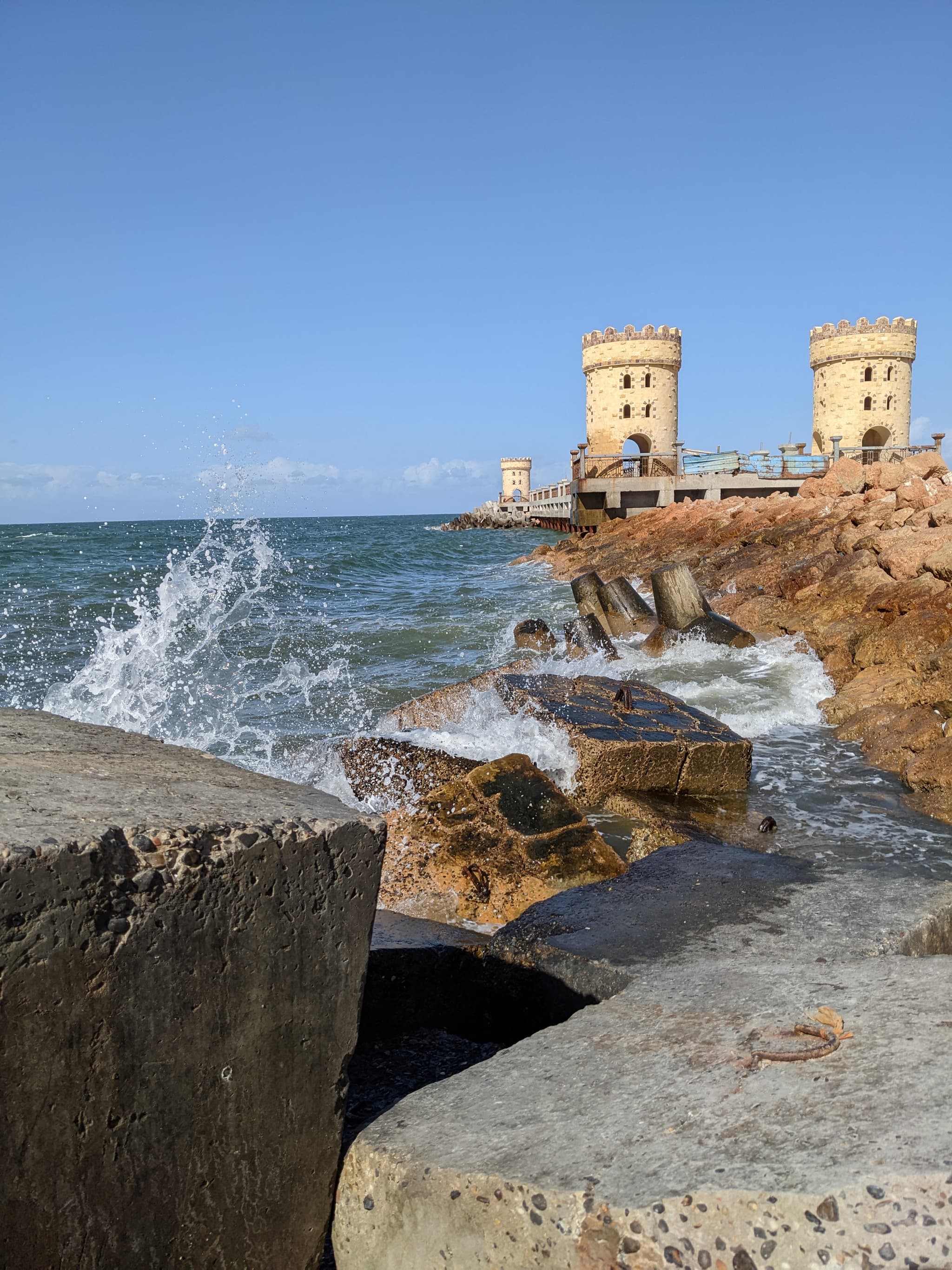
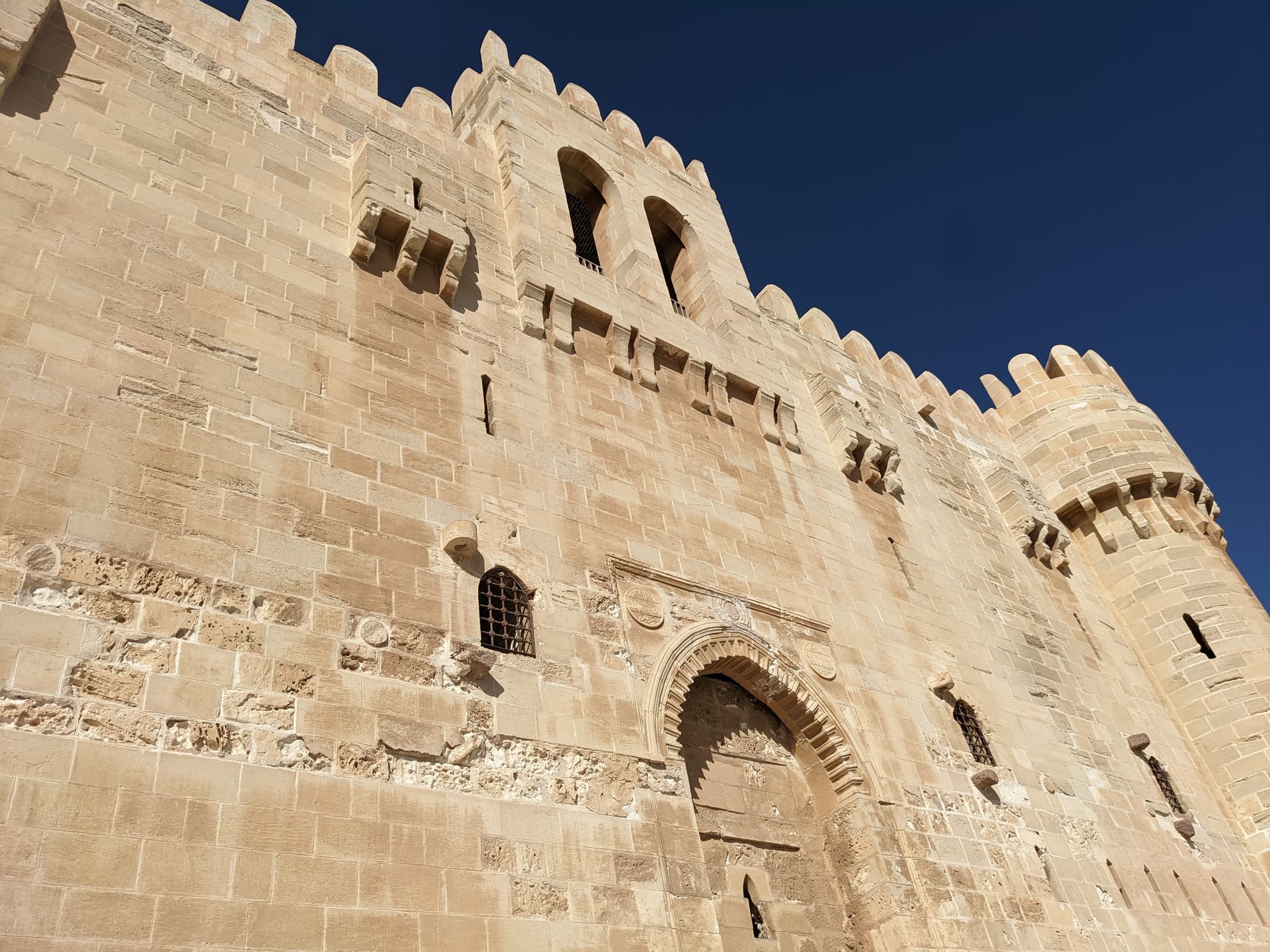
Taking a stroll around the 2nd largest city in Egypt inevitably leads to the Citadel of Qaitbay, a 15th-century defensive fortress on the Mediterranean sea coast. In the 40°C heat it's relatively quiet, only the waves arrhythmically crashing against the coastal defence structures provide an audio backdrop. The occasional swash of sea water providing a temporary flash of respite from the scorching heat.
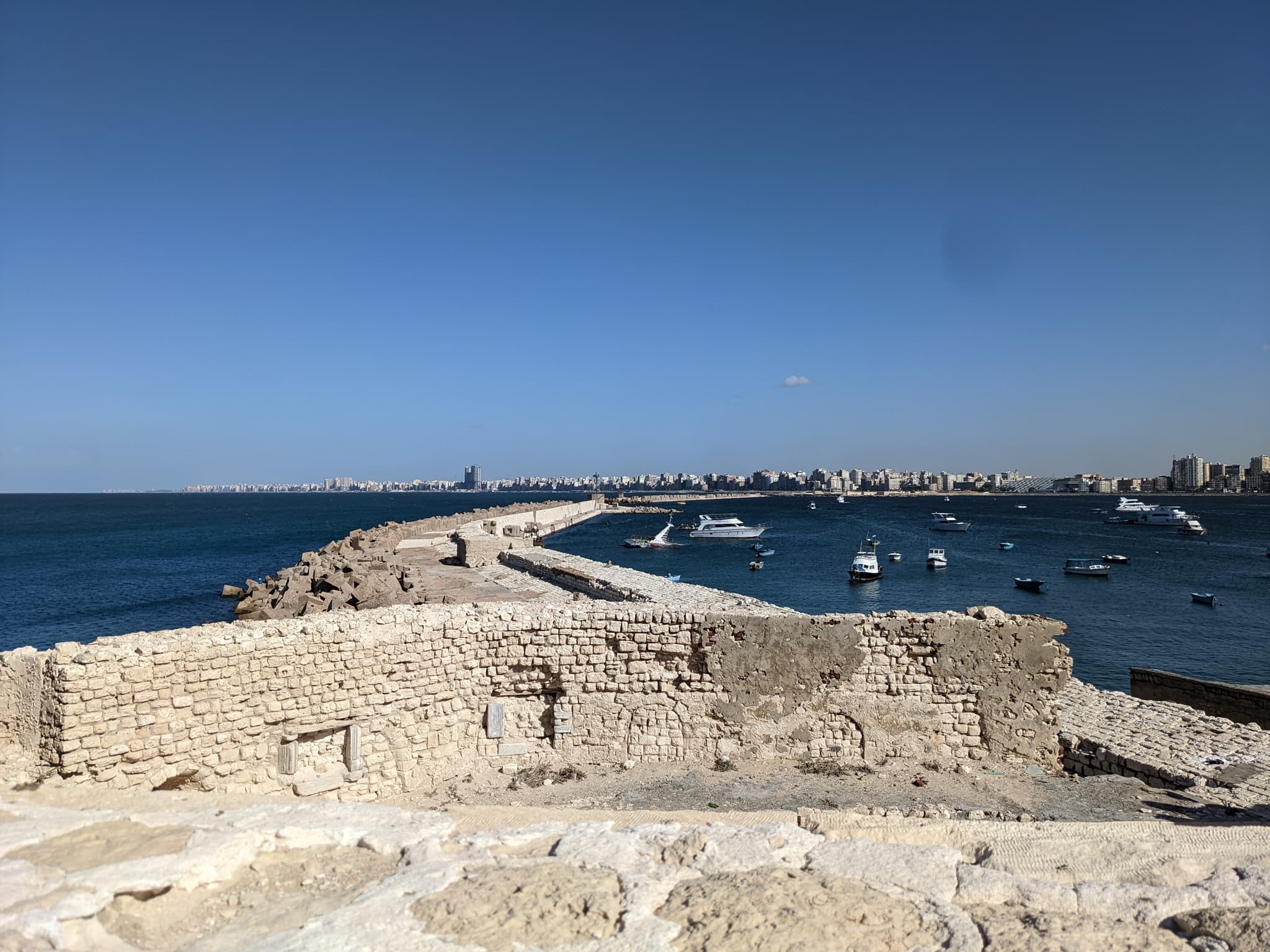
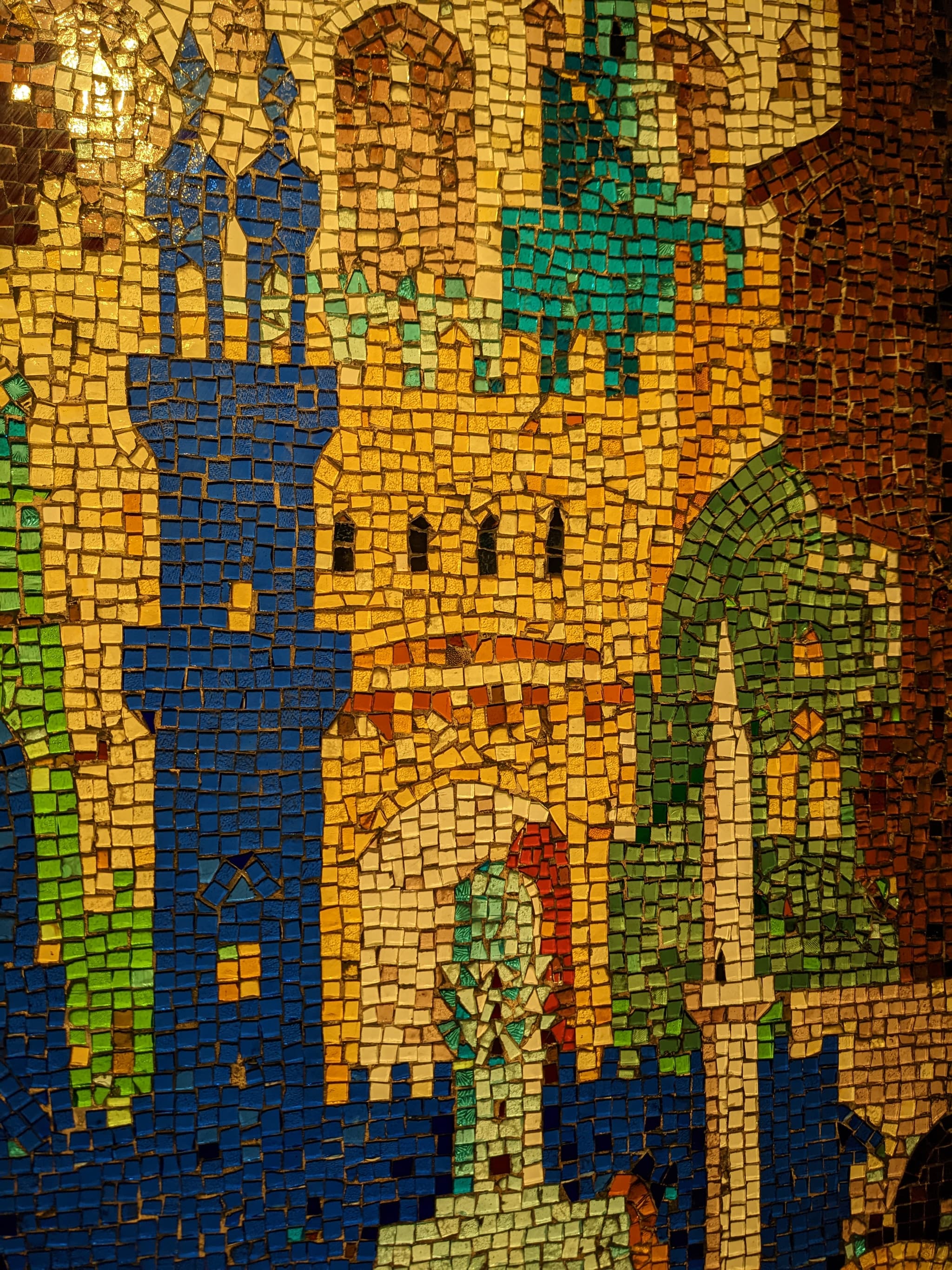
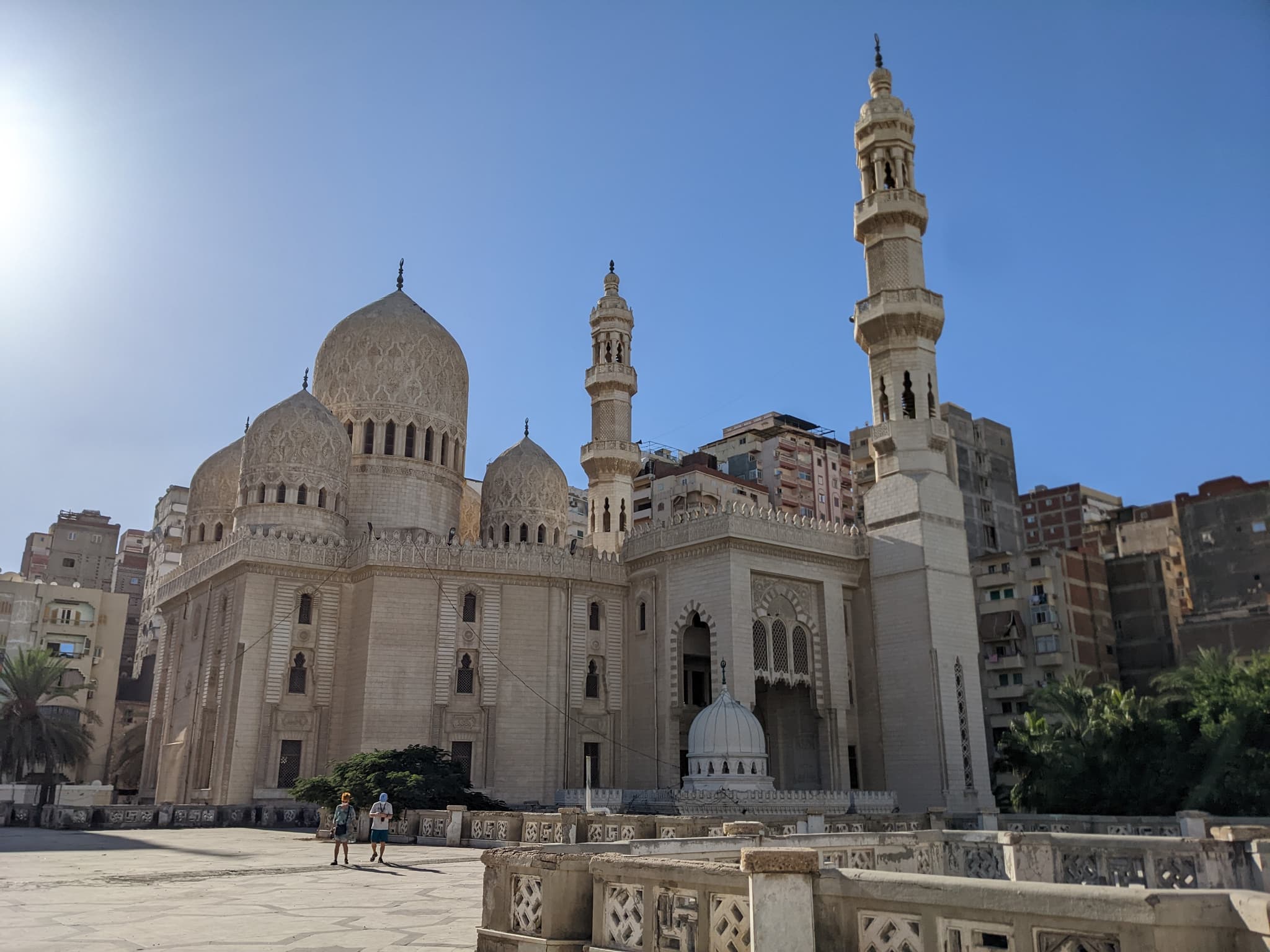
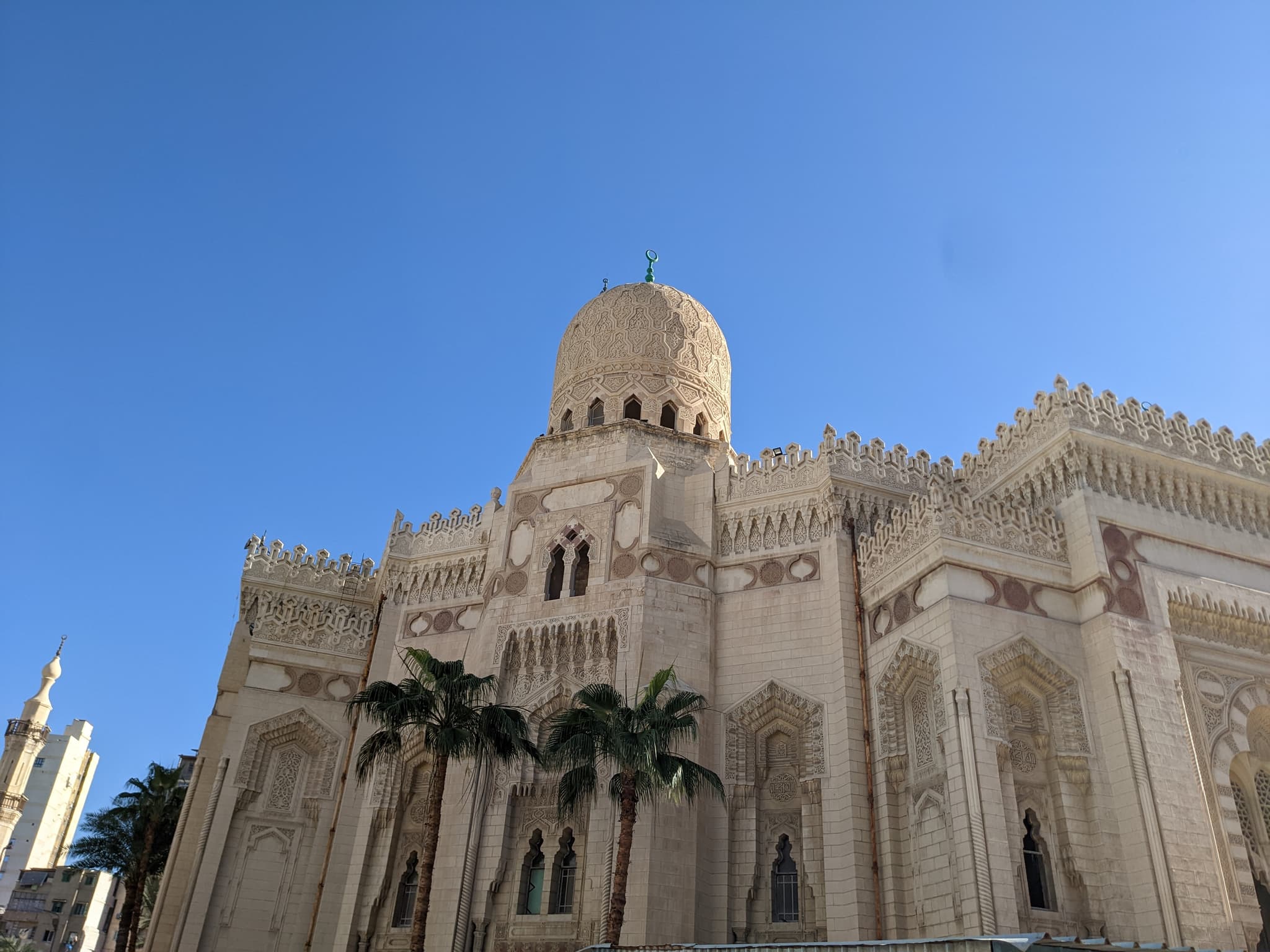
Looking back towards the centre of the city a couple of minarets pierce the skyline. Opposite the dome of Abu al-Abbas al-Mursi Mosque rests on pillars of granite. The white marble floor contrast with the intricate mosaics, bronze chandelier and numerous sparkles of gold.
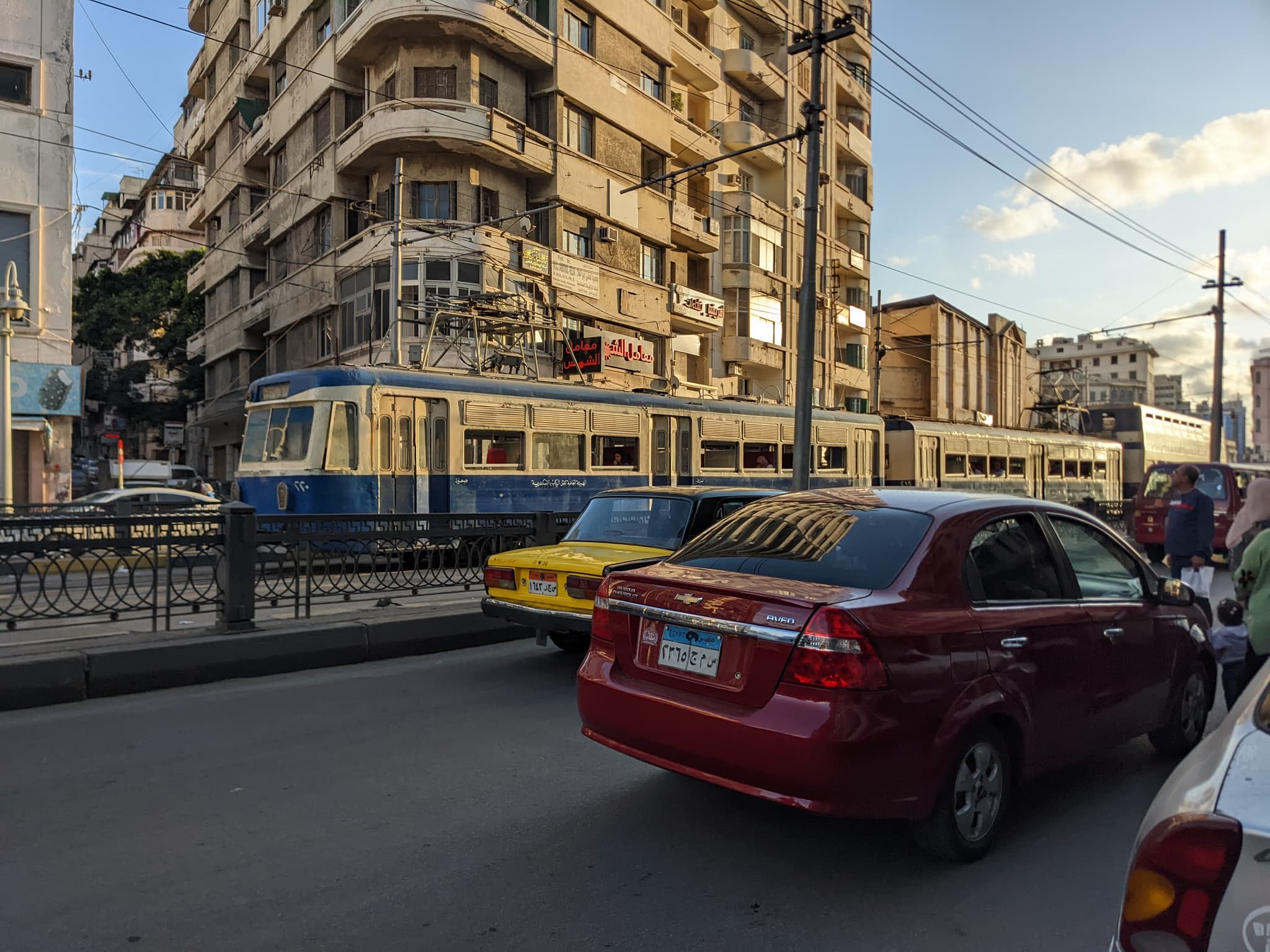
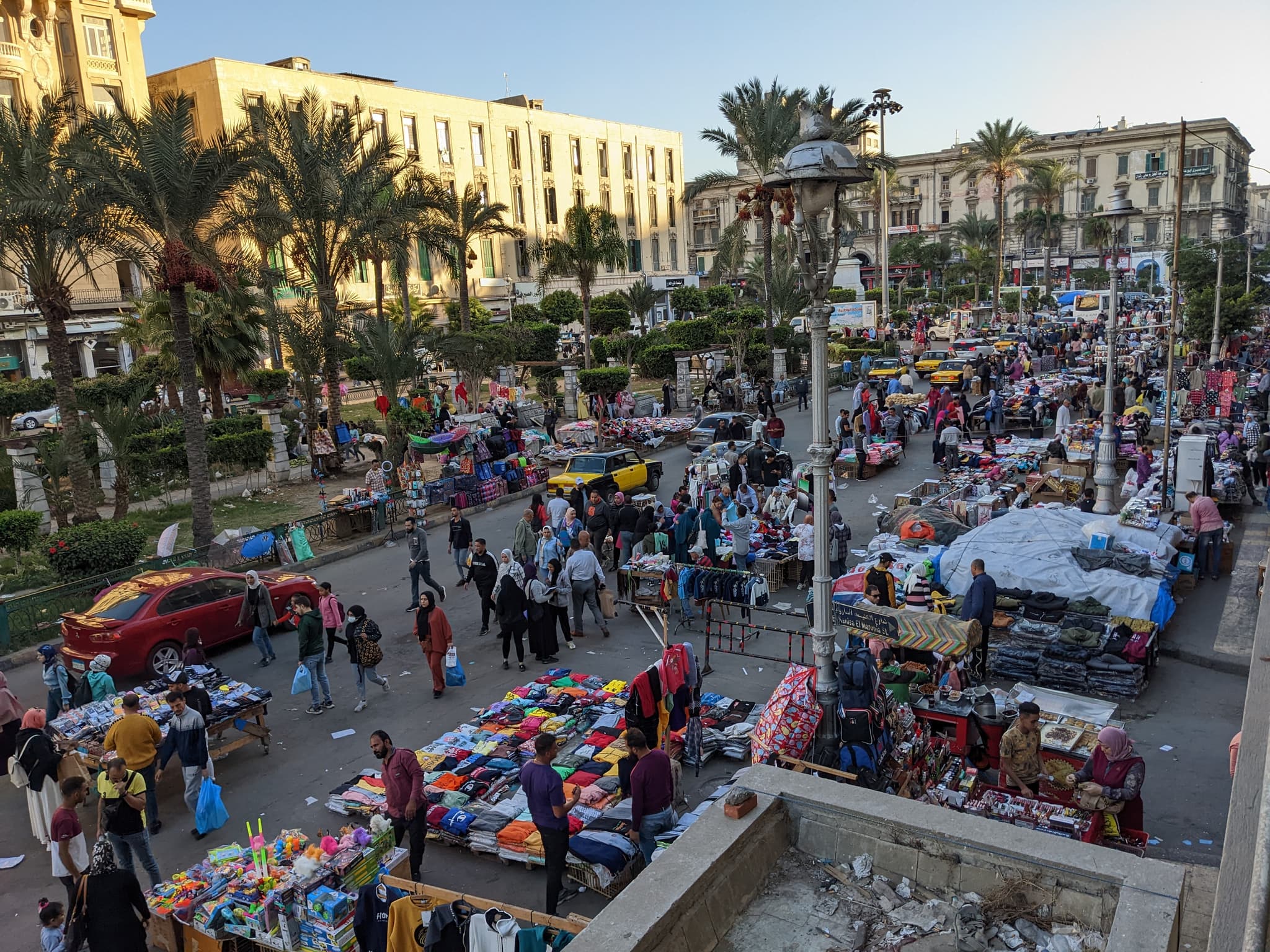
The city is lively on market day. A stranger in a silver puffer jacket and gold teeth approaches me and offers to show me around. After being invited to a freshly brewed tea with mint and making sure he's genuine we take a walk around and explore the alleys of Alexandria.
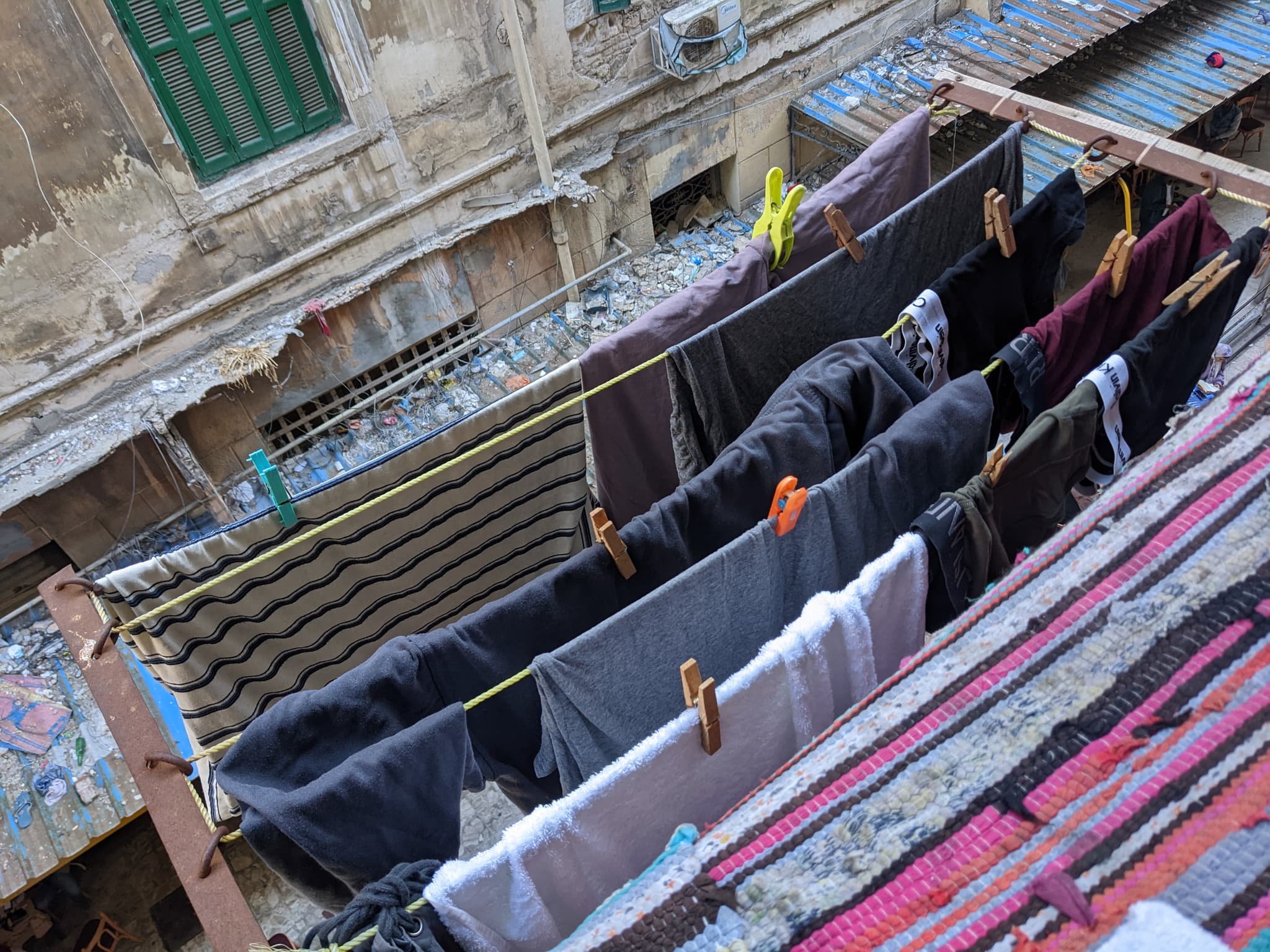
After returning to the hostel to do some laundry it's time to get ready to take a 10-hour night bus journey to Dahab, a small town on the coast of the Sinai Peninsula.